eNewsletter: December 2024

Spotlight: Gray seal

Surprise! This month we’re talking about seals.

Each month we will dive into fun facts, stories, and updates with you, our whale and dolphin loving community of fin-tastic supporters!

Did you know?

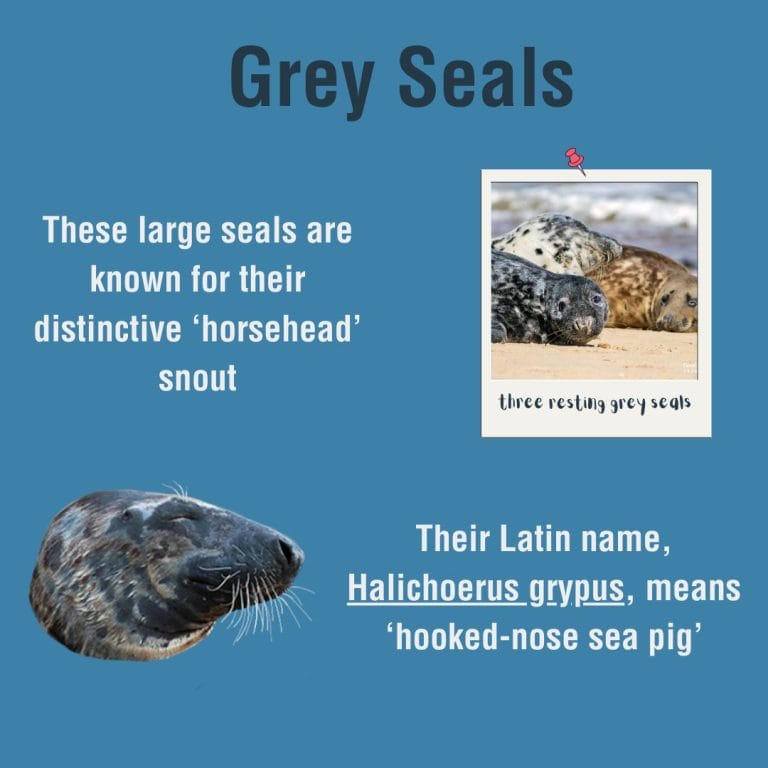
  • Scientific name: Halichoerus grypus
  • Other names: Horsehead seal; grey seal
© WDC, gray seal, Scientific name: Halichoerus grypus, Other names: Horsehead seals; grey seals
© WDC, Known for their distinctive “horsehead” snout

Subscribe and Learn Why We Need Your Help

Dive in each month to learn more about whales, dolphins, and how together we can protect them.

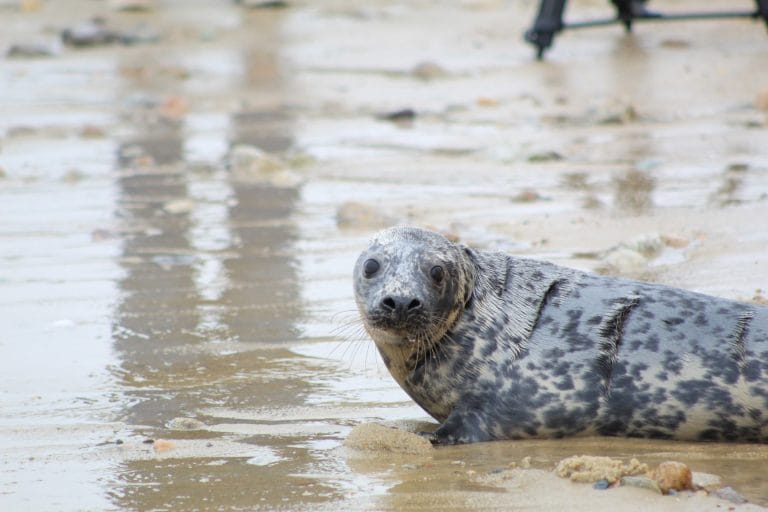
© NMLC, gray seal
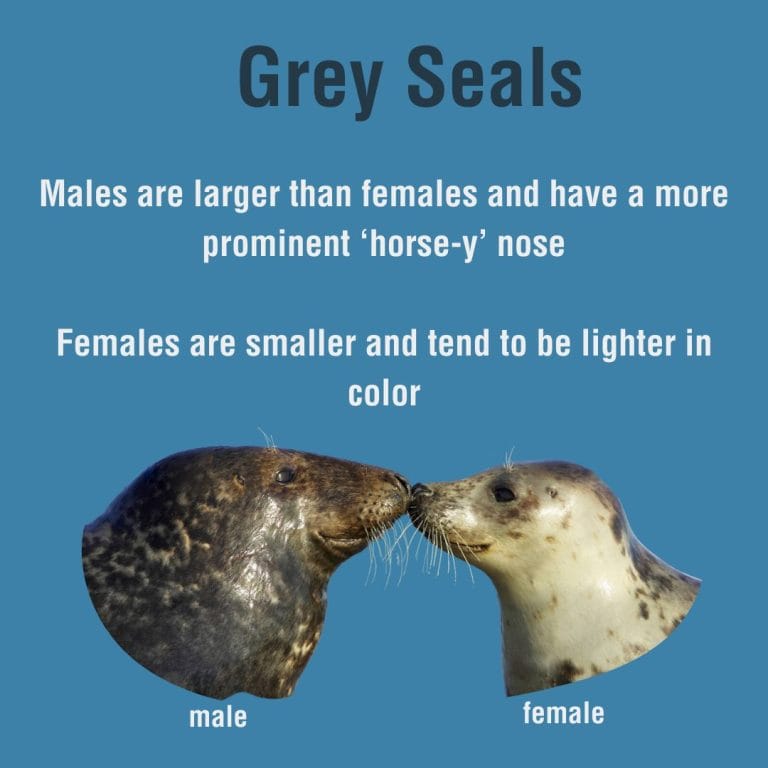
© WDC, While they are known for their distinctive “horsehead” snout, it is more prominent in males and females have a shorter nose (NOAA). Females are smaller and tend to be lighter in color.

News

© WDC, white shark

White sharks remain in Massachusetts waters

Whale and Dolphin Conservation’s (WDC) Marine Animal Rescue and Response team has seen an increased number of seals with shark bites this fall along the Massachusetts south shore. Read the full story.

Minke whale necropsy results reveal blunt force trauma

Results from sample analysis and observations from the necropsy suggest that this animal likely died from blunt force trauma to the head and jaw region, consistent with a vessel strike. Read the full story.

Meet our new Commonwealth Corp team members for 2024-2025

Commonwealth Corps works with partner organizations focusing on providing workforce development, health & nutrition, education, youth development, & veteran support. Read the full story.

Marine Animal Rescue and Response team examine three seals in one day

On October 21, our MARR team responded to 3 deceased seals in the Plymouth, Massachusetts area. While in the field responding to the first two calls, a third call came in. Read the full story.

Southern Resident orcas return to Penn Cove

After 54 years, L pod orcas were seen in Penn Cove. A once often frequented spot by Southern Residents, Penn Cove, Washinton turned into a nightmare in 1970 when orcas were herded and captured in nets. Read the full story.

More about gray seals

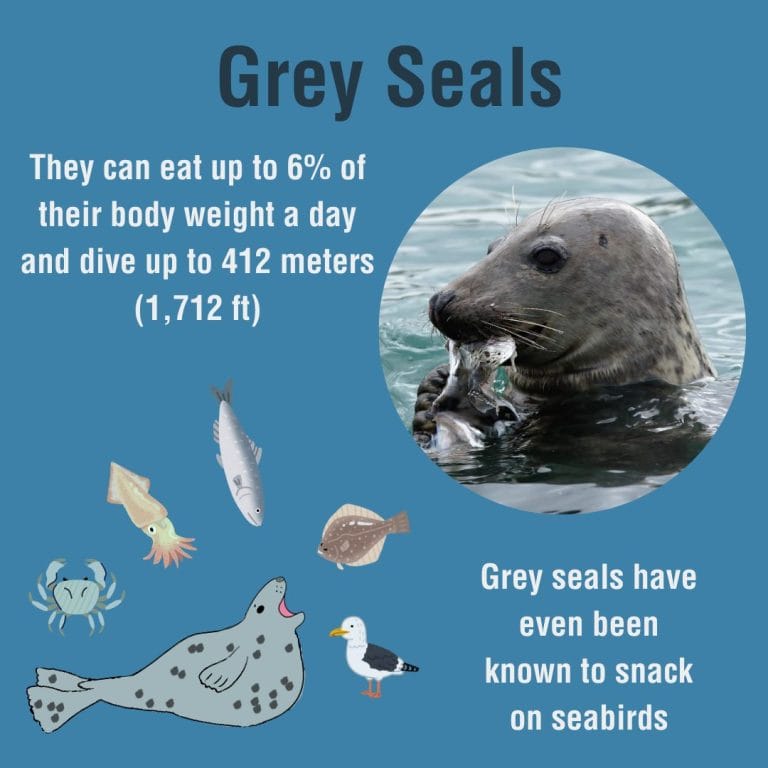
© WDC, They can eat 6% of their body weight a day. This includes fish, crustaceans, squid, octopus, and have even been observed snacking on seabirds. They can also dive up to 412 meters (1,712 feet).

Holiday gifts are better late than never!

Events

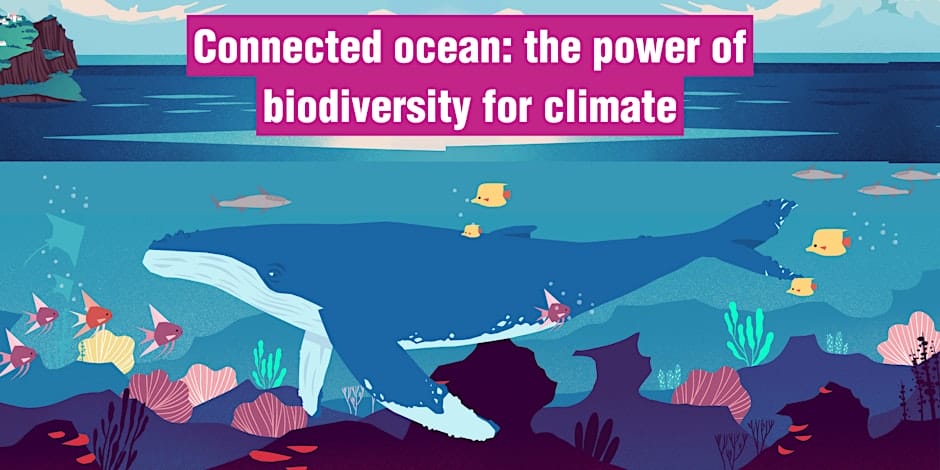
Webinar: Connected ocean: the power of biodiversity for climate

Subscribe and Learn Why We Need Your Help

Dive in each month to learn more about whales, dolphins, and how together we can protect them.